
a botanist’s guide to parties and poisons explores botanical nuances, offering insights into safe party planning. It balances celebration with caution, providing practical tips for sourcing edible flowers, avoiding harmful species, and ensuring responsible handling of botanical materials. !!!!!!
Plant-based flavoring agents for cocktails
In the realm of mixology, botanists have long curated a palette of plant‑derived flavoring agents that elevate cocktails from mere beverages to botanical symphonies. The first tier of ingredients includes citrus peels, whose essential oils release bright, zesty notes when gently expressed over a spirit. A skilled bartender can use a citrus zester or a microplane to liberate these oils, then combine them with a neutral base such as vodka or gin to create a crisp, aromatic foundation. Next, the world of herbs offers a wealth of possibilities: fresh mint, basil, and thyme can be muddled to release their volatile compounds, while dried sage or rosemary provide a more subtle, earthy undertone that pairs beautifully with whiskey or scotch. The art of infusing is not limited to herbs; botanists also experiment with edible flowers—lavender, rose petals, and hibiscus—each contributing a distinct hue and flavor profile. By steeping these blossoms in alcohol for a few days, one can extract delicate floral essences that lend both visual appeal and aromatic complexity. Root vegetables such as ginger and turmeric are also prized for their warming, spicy characteristics; a simple ginger syrup or a turmeric‑infused tonic can transform a standard gin and tonic into a vibrant, health‑boosting elixir. Finally, the use of botanical bitters—crafted from a blend of herbs, spices, and sometimes bittering agents like gentian root—provides depth and balance to cocktails, allowing the botanist to fine‑tune the overall flavor profile. By mastering these plant‑based flavoring agents, mixologists can craft cocktails that are not only delicious but also a testament to the rich biodiversity of the botanical world.
When extracting flavors, temperature control is paramount. Overheating can degrade delicate terpenes, while too low a temperature may result in incomplete extraction. A common technique is cold infusion, where botanicals are submerged in a high‑proof spirit for 48–72 hours, then filtered, allowing subtle flavors to permeate without bitterness. Conversely, hot infusions, such as simmering herbs in a sugar syrup, yield robust, caramelized notes that complement darker spirits. Preservation of botanical freshness is achieved through the addition of natural antioxidants like ascorbic acid or rosemary extract, which inhibit oxidation and extend shelf life. Moreover, the choice of solvent—ethanol, glycerin, or even non‑alcoholic carriers—can influence the extraction efficiency and the final sensory profile. For instance, glycerin infusions yield a sweeter, more viscous concentrate that can be used as a glaze or a finishing syrup on cocktails. Finally, sustainability considerations are increasingly influencing botanists: sourcing wild‑harvested herbs from certified farms, using biodegradable packaging, and implementing zero‑waste protocols during the extraction process not only protect ecosystems but also enhance the narrative of the cocktail, resonating with eco‑conscious consumers. Each ingredient is chosen for its flavor profile and safety profile.
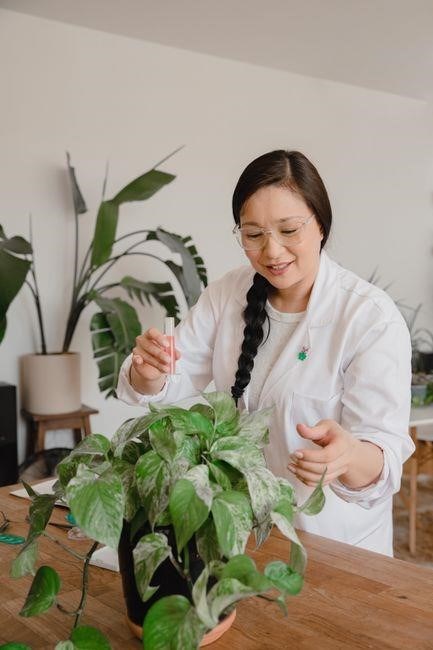
In practice, a well‑rounded cocktail menu might feature a citrus‑infused gin, a herb‑muddled gin‑and‑tonic, a floral‑infused rum punch, and a ginger‑spiced whiskey highball, each showcasing a distinct botanical technique. These botanical choices not only delight the palate but also tell a story of terroir and tradition.
Edible flowers as party décor
Edible flowers are a versatile, visually striking element that botanists incorporate into social events to enhance ambience while ensuring safety. Common choices include nasturtium, pansy, marigold, and violet, each offering distinct colors and subtle flavors that complement both savory and sweet dishes. When selecting flowers, botanists verify that the species is free of pesticides, herbicides, and naturally toxic compounds such as alkaloids or cyanogenic glycosides. Proper washing protocols involve rinsing the petals in cold, filtered water and optionally soaking them in a mild vinegar solution to remove surface residues, followed by a quick rinse in clean water. The flowers are then dried on a paper towel to remove excess moisture before use. To maximize visual impact, botanists arrange flowers in glass jars, mason jars, or terracotta pots, sometimes incorporating edible foliage like basil or mint for contrast. For cocktail garnishes, single petals or small clusters are placed on the rim of a glass or floated on the surface of a drink, adding a fragrant aroma and a pop of color. In buffet settings, edible flowers can be integrated into salads, scones, or desserts, providing both aesthetic appeal and a mild, peppery or sweet taste. Botanists also advise that guests be informed of the edible nature of the flowers, especially in mixed‑culture settings where unfamiliar plants may be mistaken for toxic species. By combining careful selection, rigorous cleaning, and creative presentation, edible flowers become a safe, elegant centerpiece that elevates the sensory experience of any gathering while showcasing botanical knowledge and responsibility. Additionally, botanists recommend using a small, clear sign beside each floral arrangement that lists the plant species and confirms its edibility, thereby preventing accidental ingestion of toxic look‑alikes and fostering an environment of informed enjoyment. The use of edible flowers not only enhances the aesthetic quality of the event but also serves as an educational opportunity, allowing guests to learn about plant diversity and responsible foraging practices. Enjoy!!.

Common toxic plants to avoid at events
When planning a social gathering, a botanist’s vigilance is essential to prevent accidental poisoning. The following table lists frequently encountered toxic species that should be excluded from décor, food, or petting areas. Each entry includes the plant’s common name, scientific designation, and the primary toxic principle responsible for its danger. This concise reference aids event planners in making informed decisions and maintaining a safe environment.

- Belladonna (Atropa belladonna) – contains atropine and scopolamine; ingestion can cause dilated pupils, hallucinations, and cardiac arrest.
- Oleander (Nerium oleander) – rich in cardiac glycosides; even small amounts can lead to arrhythmias and death.
- Foxglove (Digitalis purpurea) – contains digoxin; toxic to the heart and can be fatal if consumed.
- Castor bean (Ricinus communis) – seeds harbor ricin; ingestion or inhalation is lethal.
- Poison ivy (Toxicodendron radicans) – urushiol oil causes severe dermatitis; contact should be avoided.
- Deadly nightshade (Solanum nigrum) – alkaloids cause nausea, vomiting, and respiratory distress.
Botanists recommend thorough inspection of all floral arrangements, ensuring no toxic species are present. When in doubt, consult a local herbarium or use a reliable plant identification app. By eliminating these hazards, event hosts can confidently celebrate while safeguarding guests’ health.
Historical use of botanical poisons in social settings
Throughout history, aristocrats and political figures have employed botanical toxins as covert weapons during lavish banquets and clandestine gatherings. In the 16th‑century court of Henry VIII, rumors circulated that the king’s favorite wine was laced with aconite, a plant whose alkaloids can induce paralysis. The 18th‑century French Revolution saw the infamous “poisoned” cherries served at a royal fête, allegedly containing cyanogenic glycosides that released hydrogen cyanide upon digestion. In the 19th‑century, the infamous “Murder of the Duke of Wellington” involved a poisoned cup of tea flavored with deadly nightshade. More recently, the 21st‑century “Café Poison” scandal highlighted how a seemingly innocuous herbal liqueur, infused with foxglove extracts, caused multiple hospitalizations. These episodes illustrate how botanical poisons have been weaponized in social contexts, exploiting the trust inherent in hospitality and the subtlety of plant chemistry. Modern forensic botany now plays a crucial role in identifying trace toxins in food and drink, ensuring that the lessons of the past inform contemporary safety protocols.
Botanists today employ advanced spectroscopic analyses to trace even minute residues, ensuring that every culinary creation remains both delightful and safe. Chefs now partner with toxicologists to certify herbs, spices, and infusions meet strict safety limits, while coordinators keep detailed logs of botanical origins, enabling risk assessment if adverse reaction occurs.
Safe handling of poisonous herbs in a laboratory
When working with toxic botanicals, the first step is to confirm the identity of each specimen through microscopic analysis and DNA barcoding. Once verified, assign a unique hazard code and store the material in a dedicated, double‑sealed, temperature‑controlled cabinet marked with a red “BIOHAZARD” sign. Personal protective equipment—N95 respirators, chemical‑resistant gloves, and splash‑proof lab coats—must be worn at all times. All manipulations should occur inside a certified fume hood to prevent inhalation of volatile alkaloids such as atropine or solanine. For extraction, use sealed glassware and perform a preliminary solubility test to determine whether the compound is lipophilic or hydrophilic; this informs whether a polar solvent like methanol or a non‑polar solvent such as hexane is appropriate. When handling concentrated extracts, dilute them in a buffer solution to reduce acute toxicity before use in assays. Dispose of waste in a dedicated biohazard container, and decontaminate surfaces with a 10% bleach solution followed by thorough rinsing. Maintain a detailed logbook that records batch numbers, extraction dates, and any incidents. Finally, conduct regular training drills for emergency decontamination and spill response, ensuring that all personnel can quickly isolate the area, neutralize the toxin, and seek medical attention if necessary. By adhering to these protocols, researchers can safely explore the pharmacological potential of poisonous herbs while minimizing risk to themselves and the environment. These measures not only protect lab staff but also uphold institutional compliance with OSHA and local hazardous waste regulations, thereby fostering a culture of safety and scientific integrity. Regular audits and collaboration with institutional review boards further ensure that every experiment involving poisonous herbs meets ethical and safety standards.
Regulations on botanical toxins in public venues
Regulatory oversight of botanical toxins in venues that host public gatherings is a multilayered framework combining federal, state, and local statutes. At the federal level, the Food and Drug Administration (FDA) mandates that any plant‑derived substance intended for consumption must be classified as a food ingredient or a drug, requiring pre‑market approval food additive petition. The Occupational Safety and Health Administration (OSHA) sets exposure limits for volatile toxins, such as thujone or nicotine, in indoor air, and requires employers to provide engineering controls, respiratory protection, and training. State agencies enforce the Poison Control Act, which obliges venues to keep a certified poison control hotline on standby during events that serve botanical cocktails or edible flowers. Local municipalities often impose licensing requirements for “botanical bars” or “plant‑based tasting rooms,” demanding that operators submit detailed ingredient lists, hazard analyses, and emergency response plans. These plans must include spill containment kits, first‑aid stations stocked with activated charcoal and antidotes, and clear signage indicating the presence of potentially toxic plants. Compliance is verified through periodic inspections, and violations can result in fines, suspension of licenses, or criminal charges if negligence leads to poisoning. By integrating these layers of regulation, public venues can safely showcase botanical creativity while protecting patrons and staff from accidental exposure to toxic flora!!!
Detecting accidental ingestion of toxic plants
When a party guest unknowingly consumes a toxic plant, early detection hinges on symptom recognition, rapid laboratory confirmation, and coordinated emergency response. Common clinical presentations—nausea, vomiting, abdominal pain, dizziness, or neurological deficits—prompt a differential diagnosis that includes botanical toxins such as atropine, solanine, or cyanogenic glycosides. Emergency medical personnel employ point‑of‑care assays (e.g., rapid thallium strips, salicylate dipsticks) and send blood or urine samples to reference laboratories for gas chromatography–mass spectrometry, which can quantify alkaloids or glycosides within hours. Simultaneously, the event’s incident command system activates a poison‑control hotline, ensuring that the medical team receives real‑time guidance on antidote selection, dosage, and supportive care. Digital symptom checklists integrated into event management apps allow staff to log exposure events, trigger alerts, and document vital signs, feeding data into a centralized database that tracks potential clusters. In high‑volume venues, wearable biosensors that monitor heart rate variability and skin conductance can flag acute stress responses indicative of toxin exposure, prompting immediate triage. By combining clinical vigilance, laboratory analytics, and technology‑enabled surveillance, parties can swiftly identify accidental ingestion and initiate life‑saving interventions, thereby minimizing morbidity and preserving trust in botanical hospitality. Public education campaigns that precede events, featuring QR‑coded leaflets with botanical safety charts, empower guests to self‑screen and report suspicious ingredients. Moreover, the use of barcoded ingredient labels linked to a cloud database allows real‑time cross‑checking against known toxic profiles, ensuring that any mislabeling is immediately flagged. In the event of a suspected poisoning, the emergency protocol mandates an immediate decontamination zone, the administration of activated charcoal if ingestion occurred within the last hour, and the use of specific antidotes such as atropine for anticholinergic plants or pralidoxime for organophosphate exposure. Post‑incident, a forensic botanical analysis of the consumed material, employing DNA barcoding and phytochemical fingerprinting, confirms the culprit species, which informs future policy adjustments and legal accountability. This integrated, multi‑disciplinary approach transforms accidental ingestion from a silent hazard into a manageable, data‑driven risk, reinforcing the safety culture that underpins responsible botanical event management. Finally, a post‑mortem review of each case, documented in a secure, anonymized registry, supports continuous improvement and regulatory compliance.
Emergency response protocols for plant-based poisonings

Emergency response protocols for plant-based poisonings require a coordinated, tiered approach that integrates on‑site triage, rapid diagnostics, and specialized antidote administration. The first step is immediate assessment of airway, breathing, and circulation (ABCs), followed by a focused history that identifies potential botanical exposures—such as ingestion of nightshade, foxglove, or cyanogenic almonds. Medical staff must be trained in the use of point‑of‑care assays (e.g., salicylate dipsticks, cyanide colorimetric kits) and in interpreting laboratory results from gas chromatography–mass spectrometry, which can detect alkaloids and glycosides within minutes. Once a toxin is suspected, the protocol mandates activation of the local poison control center, which provides real‑time guidance on antidote selection, dosage, and monitoring parameters. Antidotes are administered according to the specific toxin: atropine for anticholinergic plants, pralidoxime for organophosphates, and activated charcoal if ingestion occurred within the last hour. Concurrently, patients receive supportive care—intravenous fluids, antiemetics, and, if necessary, mechanical ventilation. All interventions are documented in a standardized electronic medical record that flags the incident for public health reporting. After stabilization, a forensic botanical analysis of the consumed material, using DNA barcoding and phytochemical fingerprinting, confirms the culprit species, ensuring accurate exposure records and informing future preventive measures. The protocol also includes post‑incident debriefings, data collection for epidemiological surveillance, and updates to venue safety policies. By adhering to these evidence‑based steps, event staff can reduce morbidity, safeguard guests, and maintain compliance with regulatory standards governing botanical safety at public gatherings. Continuous education ensures botanists remain vigilant and informed

Ethical considerations for botanists sharing toxic knowledge
Botanists who disclose information about poisonous plants must balance scientific transparency with public safety. First, they should contextualize toxic data, emphasizing that many plants are harmless when used correctly while highlighting the risks of misuse. Second, they must adhere to the precautionary principle, providing clear dosage limits, contraindications, and safe handling protocols. Third, they should collaborate with regulatory bodies to ensure that any educational material meets legal standards and does not facilitate illicit use. Fourth, responsible communication involves using plain language, avoiding sensationalism, and offering resources for emergency response. Finally, botanists should engage in ongoing ethics training, reflecting on how their work may influence behavior and ensuring that their outreach promotes informed, respectful, and safe interactions with plant life.

In practice, botanists must also consider the cultural significance of plants that are simultaneously revered and feared. When sharing knowledge, they should provide context about traditional uses, local regulations, and the potential for accidental exposure in communal settings. They should encourage the creation of informational signage, workshops, and digital resources that empower event organizers to identify and manage hazardous species responsibly. By fostering transparency, collaboration, and public education, botanists can mitigate risks while preserving the integrity of botanical science. In the wild too.

Innovations in plant‑based flavor extraction techniques
Recent advances in botanical flavor extraction have revolutionized party beverage design. Supercritical CO₂ extraction preserves volatile aromatics while eliminating solvent residues, enabling pure, high‑intensity infusions of herbs such as basil, mint, and rosemary. Microwave‑assisted hydrolysis accelerates the release of essential oils from delicate flowers, allowing chefs to capture fleeting notes of elderflower or hibiscus in seconds. High‑pressure liquid chromatography (HPLC) coupled with mass spectrometry now permits precise quantification of flavor compounds, ensuring consistency across batches of botanical liqueurs. Micro‑fermentation techniques harness specific yeast strains to convert plant sugars into complex esters, producing novel citrus‑mint or berry‑sage profiles that mimic artisanal spirits. 3‑D printing of edible plant matrices offers customizable flavor release schedules, letting bartenders layer citrus zest, peppercorns, and edible gold leaf for visual and gustatory impact. Finally, AI‑driven flavor pairing algorithms analyze terpenoid fingerprints to recommend complementary botanicals, reducing trial‑and‑error in cocktail formulation and enhancing safety by avoiding toxic cross‑reactivities. These innovations combine sustainability, safety, and creativity, empowering botanists to craft unforgettable, plant‑based celebrations.2026!!
Future trends in botanical safety at social gatherings
Emerging botanical safety protocols for social events are reshaping how venues handle plant‑based ingredients. Regulatory bodies now mandate allergen labeling on all botanical garnishes, and event planners must submit detailed safety data sheets for any exotic herb or edible flower used in cocktails. Smart‑sensor dispensers track real‑time concentrations of potentially toxic alkaloids, alerting staff if levels exceed safe thresholds. Mobile apps powered by machine‑learning models identify plants on the spot, providing instant risk assessments and recommended handling procedures. 3‑D printed “bio‑safety” barriers isolate volatile compounds during infusion, preventing accidental inhalation or ingestion. Virtual reality training modules simulate poisoning scenarios, equipping bartenders and servers with rapid response skills. Collaborative research networks publish open‑access databases of plant toxicity profiles, fostering transparency and shared best practices. Finally, consumer demand for “green” events drives the development of biodegradable, non‑toxic garnish alternatives, ensuring that celebrations remain both flavorful and safe. 2026!!