
Overview of Hot Tub Maintenance Schedules
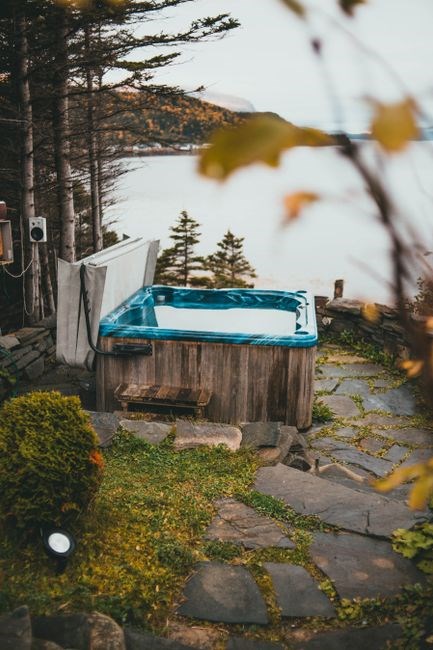
Hot tub owners rely on a structured maintenance schedule to keep water crystal‑clear and equipment reliable. A typical PDF checklist divides tasks into daily, weekly, monthly, quarterly, and yearly categories. Daily actions include skimming, cleaning the cover, and checking the water level. Weekly tasks:sanitize, balance pH. Regular maintenance extends hot tub life, ensures safety, and keeps guests satisfied
Why a Structured Schedule Matters
Implementing a disciplined maintenance routine is essential for preserving the integrity of a hot tub’s water chemistry, safeguarding its mechanical components, and ensuring a consistently enjoyable bathing experience. A well‑organized schedule, typically presented in a PDF checklist, allows owners to systematically address the most critical tasks—such as sanitizing, balancing pH and alkalinity, inspecting filters, and monitoring water levels—on a daily, weekly, monthly, quarterly, and yearly basis. By adhering to these intervals, users can detect early signs of contamination or equipment wear, preventing costly repairs or replacements that might otherwise arise from neglected maintenance.
Moreover, a structured plan promotes safety. Proper sanitizer levels and balanced chemistry reduce the risk of skin irritation, eye discomfort, and bacterial growth, while routine filter checks ensure that particulates and debris are effectively removed. Consistent attention to water quality also extends the lifespan of the hot tub’s heating elements, pumps, and circulation system, as these components operate more efficiently when the water is free of excess minerals or contaminants.
From a financial perspective, a scheduled approach can lead to significant savings. Preventative care mitigates the need for emergency service calls and reduces the frequency of costly water changes. It also helps maintain the hot tub’s resale value by demonstrating a history of diligent upkeep. For business owners or rental operators, a reliable maintenance schedule enhances guest satisfaction and builds a reputation for cleanliness and professionalism.
In addition, many hot tubs now come equipped with digital monitoring systems that track temperature, sanitizer levels, and filter status. Integrating these data points into a PDF schedule allows owners to cross‑reference real‑time readings with planned tasks, ensuring that corrective actions are taken promptly. This synergy between manual and automated monitoring further underscores the importance of a coherent, time‑bound maintenance framework.
Ultimately, a structured maintenance schedule is not merely a set of chores; it is a proactive strategy that protects investment, promotes health, and delivers peace of mind. By committing to the recommended intervals and documenting each step in a clear, accessible PDF, hot tub owners can enjoy a pristine, safe, and long‑lasting spa environment.

Preparing Your Maintenance PDF
Begin by listing all routine tasks in clear categories—daily, weekly, monthly, quarterly, yearly. Use concise bullet points, include exact chemical ranges, and add space for notes. Incorporate a table of water test results and a calendar view. Save as PDF, ensuring compatibility across devices for easy reference. Track changes weekly to spot trends early. Now.!
Daily Clean‑Up and Water Level Check
After each use, begin with the “Fresh & Clear” routine. Skim the surface with a fine‑mesh net to remove hair, skin flakes, and any floating debris. Rinse the cover with a mild, pH‑neutral detergent, then dry with a soft cloth to prevent mildew and preserve the cover’s integrity. Inspect the water level by looking at the skimmer rim; it should sit just below the top of the skimmer opening. If the level is too low, add dechlorinated tap water or a distilled water blend until the level is restored. Avoid overfilling, as excess water can cause overflow and damage the pump. Use a calibrated dipstick or a simple ruler to verify the level accurately. Record the water level, any visible contaminants, and the date in your maintenance log. This daily record helps identify patterns such as leaks or excessive usage, enabling timely corrective action. Consistent daily checks keep the circulation system running smoothly, reduce the need for chemical shock, and maintain a safe, inviting environment for guests.

While the water level is the most visible indicator, subtle signs can reveal underlying issues. Look for a cloudy or discolored surface; this may signal a need for a quick chemical adjustment. Check the jets for any visible blockage or spray pattern changes, as a clogged jet can reduce water circulation and increase pressure on the pump. Inspect the filter housing for any loose fittings or visible wear; a tight seal ensures proper filtration and prevents leaks. If you notice any unusual noises from the pump or a decrease in water pressure, note it in the log and schedule a deeper inspection. Finally, ensure that the cover is properly closed and latched; a loose cover can allow debris to enter and can also affect the water temperature and evaporation rate. By integrating these observations into a single daily log, you create a comprehensive snapshot that supports long‑term maintenance planning.

For advanced users, consider incorporating a quick dipstick test for total alkalinity and pH after each session. Use a small, inexpensive test strip to gauge the water’s balance; if the strip indicates a pH outside the 7.2–7.8 range, adjust with a pH increaser or decreaser accordingly. Similarly, if total alkalinity falls below 80 ppm, add a small amount of baking soda to raise it; Document these adjustments in the log. This proactive approach prevents the accumulation of imbalances that could lead to scale buildup or corrosion. Additionally, keep a small bucket of cleaning solution on hand for spot‑cleaning the filter housing or jets if you notice any buildup. By addressing minor issues immediately, you reduce the likelihood of major repairs later.
Finally, maintain a visual checklist on the hot tub’s control panel or a nearby wall. Mark each step as completed: “Skim,” “Cover Cleaned,” “Water Level Checked,” “Jets Inspect,” “Filter Seal Tight.” This quick reference reduces the chance of forgetting a task and ensures consistency. Over time, you’ll notice patterns—such as a particular jet that frequently clogs or a specific time of year when the water level drops more rapidly. Use these insights to adjust your routine, perhaps adding a weekly filter rinse or a monthly water change during peak usage periods. By treating daily maintenance as the foundation of your overall schedule, you create a reliable framework that supports the longevity and performance of your hot tub.
Quick Tips:
- Always use dechlorinated tap water for topping up.
- Keep a spare filter cartridge in the garage for emergencies.
- Check the water temperature after each session; it should stay within the recommended range.
- Use a soft brush to gently clean the filter housing if you see any buildup.
- Store the hot tub cover in a dry, shaded area to prolong its life.
Weekly Sanitizer, Alkalinity, and Filter Inspection

Each week, perform a comprehensive check of sanitizer levels, alkalinity, and filter integrity. Begin by testing the sanitizer concentration with a calibrated test strip or liquid kit; the ideal range for most hot tubs is 3.0–5.0 ppm. If the reading falls below 3.0 ppm, add the recommended dose of chlorine or bromine tablets, following the manufacturer’s instructions. After adjusting, wait 30 minutes before retesting to ensure accurate results. Next, measure total alkalinity using a drop‑test kit; the target range is 80–120 ppm. If alkalinity is too low, add a measured amount of baking soda; if too high, use a commercial acid or a small quantity of muriatic acid, carefully following safety guidelines. Record all adjustments in your maintenance log for future reference.
Inspect the filter cartridge for visible debris or mineral buildup. Remove the cartridge, rinse it under running water, and examine the pleats. If the pleats appear clogged or discolored, consider a gentle backwash or a chemical cleaner specifically designed for spa filters. After cleaning, re‑install the cartridge and verify that the filter housing is sealed properly. Check the filter’s pressure gauge; a pressure reading exceeding the manufacturer’s recommended threshold indicates that the filter is saturated and needs replacement. Replace the cartridge with a new one if the pressure gauge reads above the specified limit or if the filter shows signs of wear.
- Sanitizer test: 3.0–5.0 ppm (chlorine or bromine)
- Alkalinity test: 80–120 ppm (adjust with baking soda or acid)
- Filter inspection: look for clogging, discoloration, and pressure gauge reading
- Record all measurements and adjustments in the log
- Replace cartridge if pressure gauge exceeds limit or filter is damaged
Safety is paramount when handling chemicals. Always wear gloves and eye protection, and work in a well‑ventilated area. Store all chemicals in a locked cabinet away from children and pets. When adding acids or chlorine, pour slowly into the water to avoid splashing. Dispose of any unused chemicals according to local regulations. By following these precautions, you reduce the risk of accidental exposure and ensure a healthy environment for guests.
Maintain a detailed logbook or digital spreadsheet that tracks each weekly test result, chemical additions, filter changes, and any observed issues. Include the date, time, sanitizer level, alkalinity, pressure gauge reading, and notes on water clarity or odor. Over time, this data will reveal trends, such as seasonal fluctuations in pH or recurring filter clogging, allowing you to adjust your maintenance plan proactively.
Water clear now
Shock Treatment and Water Testing Procedures
Shock treatment is the most reliable way to eliminate organic contaminants, algae, and bacteria that build up between routine sanitization. Start by checking water clarity; haziness or a strong odor signals the need for a shock dose. Choose a non‑chlorine shock (potassium monopersulfate) or a high‑strength chlorine shock (sodium dichloroisocyanurate) based on your sanitizer preference.
Calculate the required amount using the manufacturer’s guidelines: typically 1–2 ppm of free chlorine per 10 000 gal of water for a single shock. Circulate the water for at least 30 minutes before adding the shock, then pour the product slowly into the water, not onto the filter. Run the jets for an additional 15 minutes to aid dispersion.

After the shock has dissolved, allow the water to sit for 30 minutes before testing. Use a calibrated test kit to measure free chlorine, total chlorine, pH, and total alkalinity. Target free chlorine should be 3.0–5.0 ppm, pH 7.4–7.8, and alkalinity 80–120 ppm. Adjust as needed.
Monitor the water for 24 hours. If cloudiness persists or sanitizer drops rapidly, consider a second shock or extended circulation. Follow safety precautions: wear gloves, goggles, and work in a well‑ventilated area. Dispose of unused shock product per local regulations;
Keep a digital log of each shock event, noting date, time, product, dosage, and test results. Over time, this data helps fine‑tune dosing schedules and anticipate when a full water change is required. Regular shock treatments maintain clarity and reduce microbial risk.

In practice, the shock routine should be integrated with a weekly sanitizer check and monthly filter cleaning. By consistently following these steps, you reduce the frequency of major water changes and keep maintenance costs low. Document each step in a maintenance log, noting any deviations from the recommended ranges. This record will help you identify trends, such as a gradual rise in pH or a sudden drop in chlorine, allowing you to intervene before problems become severe.
Stay vigilant and enjoy!
Quarterly Filter Replacement
Quarterly filter replacement is a cornerstone of a reliable hot‑tub maintenance schedule. The filter’s primary job is to capture debris, microorganisms, and chemical by‑products that accumulate during regular use. As the media becomes saturated, its efficiency drops, forcing the circulation system to work harder, which can raise energy costs and accelerate wear on pumps and motors. Replacing the filter every three months keeps the water crystal‑clear, the sanitizer potent, and the system operating within its design limits.
Before you begin, consult the manufacturer’s specifications for your filter type—cartridge, sand, or diatomaceous earth. Cartridge filters typically require a full replacement after 90 days of use or when the pressure gauge shows a rise of 8 psi or more. Sand filters usually need a complete backwash and a media change every 12 months, but a quarterly check for sand loss and a partial top‑layer replacement can extend performance. Diatomaceous earth filters, prized for their fine filtration, generally need a full media replacement every six months, though a quarterly vacuuming of dust buildup can keep them running smoothly.
During the replacement, shut off the circulation pump and drain the water to the minimum level to avoid splashing. Remove the old filter cartridge or media, inspect the housing for wear or corrosion, and clean the filter basket with a mild detergent. Install the new filter according to the manufacturer’s orientation instructions, ensuring a tight seal to prevent leaks. Refill the tub to the recommended level, restart the pump, and monitor the pressure gauge for a steady baseline reading. Record the date, filter type, and any observations in your maintenance log for future reference.
Quarterly filter maintenance also offers a chance to perform a comprehensive water test. Measure free chlorine, pH, total alkalinity, and calcium hardness to confirm that the water chemistry remains within optimal ranges. Adjust the sanitizer or pH as needed before the next cycle of use. By integrating filter replacement with routine testing, you create a proactive maintenance regime that prolongs equipment life, reduces operating costs, and guarantees a safe, enjoyable bathing experience for all users.
Yearly Comprehensive Water Change
Performing a full water replacement once a year is essential for maintaining optimal water quality, extending equipment life, and ensuring user safety. The process begins with draining the tub to the lowest level, which typically requires a dedicated drain hose or a built‑in drain valve. As the water is removed, collect it in a sealed container for proper disposal or recycling, following local environmental regulations. After draining, thoroughly clean the interior surfaces, including the walls, floor, and jets, using a non‑abrasive cleaner to remove mineral deposits and biofilm buildup. This step eliminates potential sources of contamination that could compromise the new water’s clarity.
Next, refill the tub with fresh, filtered water to the manufacturer’s recommended level. During refilling, add a water conditioner to neutralize chlorine or bromine residuals, and adjust the pH to the target range of 7.2–7.8 using a pH increaser or decreaser as needed. Once the water level is stable, run the circulation system for 30 minutes to distribute the chemicals evenly. Perform a comprehensive water test, measuring free chlorine, total chlorine, pH, total alkalinity, calcium hardness, and any other relevant parameters. Adjust the sanitizer and alkalinity to the desired levels, typically 3–5 ppm for free chlorine and 80–120 ppm for total alkalinity. If calcium hardness is below 200 ppm, add a calcium hardness increaser to prevent corrosion of the hot‑tub shell and equipment.

After the water chemistry is balanced, run the filter for at least 24 hours to ensure that all particulates are removed and the water is crystal clear. Monitor the pressure gauge; a steady reading indicates proper filtration. Finally, document the date, water volume, test results, and any adjustments made in a maintenance log. This yearly water change not only refreshes the bathing experience but also reduces the long‑term cost of chemical usage and equipment maintenance by preventing the accumulation of scale, bacteria, and other contaminants that degrade performance over time.
By following this annual routine, owners can maintain a pristine environment, reduce the likelihood of costly repairs, and provide guests with a consistently safe and enjoyable soaking experience.
Maintaining pH and Alkalinity
Balancing pH and total alkalinity (TA) is the cornerstone of a healthy hot‑tub environment. The ideal pH range of 7.2–7.8 keeps water comfortable for skin and eyes while protecting metal components from corrosion. TA, typically 80–120 ppm, buffers pH fluctuations caused by user activity and sanitizer usage. To maintain these levels, perform a quick test every week using a calibrated test strip or liquid kit. Record the results in a maintenance log for trend analysis.
When the pH rises above 7.8, add a pH decreaser such as sodium bisulfate or muriatic acid in small increments, allowing the circulation system to distribute the chemical before retesting. If the pH falls below 7.2, apply a pH increaser like sodium carbonate (sodium bicarbonate) or sodium bicarbonate, again in measured doses. For TA adjustments, use a TA increaser (sodium bicarbonate) when levels drop below 80 ppm, and a TA decreaser (sodium bisulfate or acid) when they exceed 120 ppm.
Regularly inspect the water for cloudy spots or scale deposits, which often indicate pH or TA imbalance. Scale on the jets or shell can accelerate metal corrosion, while cloudy water may signal high pH or insufficient sanitizer. In addition to chemical adjustments, keep the water level within the recommended range; low water can concentrate chemicals, while high water may dilute them, both affecting pH and TA stability.
For long‑term stability, consider installing a pH/TA monitoring system that alerts you to deviations in real time. Pair this with a high‑quality filter and a properly sized heater to maintain consistency, ensuring that any added chemicals are quickly and evenly dispersed. By following this routine, you preserve the integrity of the hot‑tub shell, extend filter life, and provide a consistently comfortable bathing experience for all users.
By integrating these practices, owners can reduce shock treatments, lower sanitizer use, and enjoy a spa that feels fresh and inviting every time, benefiting both the environment and the wallet.
Addressing Common Hot Tub Problems
Even the most meticulously maintained hot tub can encounter recurring issues that disrupt the user experience. By integrating targeted solutions into a PDF maintenance schedule, owners can preemptively tackle these challenges and preserve equipment longevity. Below is a concise guide to diagnosing, treating, and preventing the most frequent problems encountered in hot tubs.
Cloudy or Murky Water
Cloudiness often signals inadequate sanitizer levels or imbalanced pH/alkalinity. The first step is to retest the water using a reliable kit. If sanitizer readings are low, perform a shock treatment with a high‑strength oxidizer. Follow up by adjusting pH to the 7.2–7.8 range and TA to 80–120 ppm. If the water remains cloudy after chemical correction, inspect the filter for fouling or clogging; replace or clean it according to the manufacturer’s guidelines.
Scale Formation on Shell or Jets
Scale typically forms when calcium hardness exceeds 200 ppm or when pH is too high. Use a calcium hardness reducer or a scale‑removing chemical to dissolve deposits. After treatment, run the circulation system for 30 minutes to ensure thorough distribution. Regularly monitor calcium levels and maintain them within the recommended range to prevent future scale buildup.
Corrosion of Metal Components
Corrosion can manifest as reddish stains on the shell or as pitting on metal parts. This usually results from low pH or high metal ion concentrations. Immediately adjust pH upward and add a corrosion inhibitor that binds metal ions. Inspect metal fittings for damage; replace any corroded parts to avoid leaks or further deterioration.
Unpleasant Odors
Odors often arise from bacterial growth or organic debris. Perform a thorough cleaning of the cover, drain, and filter housing. Shock the water with a sanitizing agent and run the filter for an extended period. Consider adding a biofilm inhibitor to the sanitizer to target stubborn microorganisms.
Heater Malfunction
Heaters may fail due to mineral buildup or electrical issues. Inspect the heating element for scale; use a descaling solution if necessary. Verify that the thermostat and temperature sensor are functioning correctly. If the heater continues to underperform, consult a professional technician for a detailed inspection.
Pump or Circulation Issues
Noise, reduced flow, or complete pump failure can result from clogged impellers or electrical faults. Check the pump housing for debris and clean or replace impellers as needed. Test the motor’s electrical connections and ensure the power supply is stable. If the pump remains unreliable, schedule a service appointment with a certified technician.
By incorporating these troubleshooting steps into a structured PDF maintenance schedule, owners can quickly identify the root cause of each issue, apply the appropriate remedy, and document the resolution. This proactive approach not only extends the lifespan of the hot tub but also guarantees a consistently safe and enjoyable bathing experience for all users.