
The 2018 Elantra owner’s manual details features like the AM/FM/HD radio, Bluetooth, and auxiliary input jack, alongside safety and maintenance guidance․
Overview of the Vehicle
The 2018 Hyundai Elantra represents a compelling blend of style, efficiency, and technology, as comprehensively detailed within its owner’s manual․ This vehicle offers a comfortable and engaging driving experience, equipped with a range of features designed for both convenience and safety․ The manual highlights the Elantra’s audio system, including AM/FM/HD Radio and SiriusXM capabilities, alongside Bluetooth connectivity for seamless phone pairing․
Furthermore, the manual provides essential information regarding the vehicle’s mechanical components, transmission system, and braking system․ It also covers crucial aspects like starting and stopping procedures, driving modes, and fuel system operation․ Owners will find detailed guidance on maintenance schedules, fluid checks, tire care, and safety systems, including airbag details and seatbelt usage․ Understanding this manual ensures optimal performance and longevity of your 2018 Elantra․
Key Features and Specifications
The 2018 Hyundai Elantra owner’s manual meticulously outlines its core features and specifications․ The audio system, a prominent highlight, boasts AM/FM/HD Radio, SiriusXM, six speakers, and an 8-inch touchscreen display․ Connectivity options include Bluetooth for phone pairing and an auxiliary audio input jack․ The manual details engine specifications, transmission types, and braking system components, crucial for understanding vehicle performance․
Safety features, including the airbag system and seatbelt functionalities, are thoroughly explained․ Owners will find detailed information on maintenance schedules, fluid capacities, and tire specifications․ The manual also covers operational aspects like driving modes and fuel system details, ensuring a comprehensive understanding of the Elantra’s capabilities and proper usage for optimal performance and safety․

Understanding Your Vehicle’s Systems
The 2018 Elantra manual explains engine mechanics, transmission details, and the braking system, providing insight into core vehicle functions and maintenance․

Engine and Mechanical Components

The 2018 Hyundai Elantra’s owner manual provides a comprehensive overview of the engine and its mechanical parts․ It details the engine’s specifications, including displacement and horsepower, and explains the function of key components like the cylinder head, pistons, and crankshaft․
The manual also covers the cooling system, lubrication system, and exhaust system, outlining their roles in maintaining optimal engine performance and preventing damage․ Diagrams and illustrations are included to aid understanding․ Furthermore, it offers guidance on identifying potential issues and performing basic inspections, ensuring owners can proactively address mechanical concerns․
Transmission System Details
The 2018 Hyundai Elantra owner’s manual thoroughly explains the vehicle’s transmission system, covering both available options: a six-speed manual and a six-speed automatic transmission․ It details the internal workings of each, including gear ratios and shift patterns․
The manual provides instructions on proper shifting techniques for the manual transmission, emphasizing smooth engagement and avoiding harshness․ For the automatic transmission, it explains the various drive modes (Drive, Sport, Manual) and their impact on performance․ It also outlines the importance of regular transmission fluid checks and replacements to ensure longevity and optimal operation, alongside troubleshooting common issues․
Braking System Information
The 2018 Hyundai Elantra owner’s manual provides comprehensive details regarding the vehicle’s braking system, encompassing both the hydraulic disc brakes and associated safety features․ It explains the functionality of components like the Anti-lock Braking System (ABS), Electronic Stability Control (ESC), and Brake Assist System․
The manual details proper braking techniques, including emergency stopping procedures and how to recognize ABS activation․ It emphasizes the importance of regular brake pad and rotor inspections, alongside fluid level checks and replacements․ Troubleshooting guidance is provided for common braking issues, such as squealing noises or reduced stopping power, ensuring driver awareness and safety․

Operating Your 2018 Elantra
The 2018 Elantra manual covers starting, stopping, driving modes, and fuel system details, ensuring a safe and informed driving experience for all owners․
Starting and Stopping Procedures
Before starting your 2018 Hyundai Elantra, ensure the parking brake is engaged and the gear selector is in Park (P)․ Insert the key or press the start/stop button while firmly depressing the brake pedal․ The engine will ignite, and the instrument panel will illuminate․
To stop the vehicle, gently apply the brakes to come to a complete halt․ Shift the gear selector to Park (P) and engage the parking brake․ Turn off the engine by pressing the start/stop button or removing the key․ Always ensure the vehicle is completely stopped before shifting into Park to prevent potential damage to the transmission․ Refer to your owner’s manual for detailed instructions and safety precautions regarding starting and stopping procedures․
Driving Modes and Controls
The 2018 Hyundai Elantra offers various driving controls for an optimized experience․ Steering wheel-mounted controls manage the audio system – AM/FM/HD Radio/SiriusXM – and Bluetooth connectivity․ Utilize these for hands-free phone pairing and seamless audio adjustments․
The Elantra’s controls allow for easy operation of features like the auxiliary audio input jack․ Familiarize yourself with the placement of essential controls, including lights, wipers, and climate control․ Consult your owner’s manual for a comprehensive understanding of each control’s function and optimal usage for safe and comfortable driving․
Fuel System and Refueling
The 2018 Hyundai Elantra’s fuel system is designed for efficient operation․ Your owner’s manual details the recommended fuel type – typically unleaded regular gasoline – and capacity․ When refueling, always ensure the vehicle is on a level surface and the engine is switched off․
Carefully follow the refueling instructions outlined in the manual to prevent spills and ensure safe operation․ Be aware of the fuel door release location and proper fueling procedures․ Avoid overfilling the tank, and always replace the fuel cap securely to prevent fuel vapor emissions․
In-Car Technology and Entertainment
The 2018 Elantra’s manual explains the audio system (AM/FM/HD/SiriusXM), Bluetooth pairing, and auxiliary input jack usage for diverse entertainment options․
Audio System: AM/FM/HD Radio/SiriusXM
Your 2018 Elantra features a comprehensive audio system, detailed in the owner’s manual, encompassing AM/FM radio, High Definition (HD) Radio, and SiriusXM satellite radio capabilities․ The system includes six speakers and an 8-inch high-resolution touchscreen display for intuitive control․
To operate, use the SEEK/SCAN buttons for station selection, or manually tune using the touchscreen interface․ HD Radio provides clearer sound quality where available, while SiriusXM offers a wide variety of commercial-free music, sports, news, and talk channels (subscription required)․
The manual provides instructions on accessing station presets, adjusting audio settings like bass and treble, and utilizing features like speed-compensated volume․ Familiarize yourself with these controls for an optimal listening experience during your travels․
Bluetooth Connectivity and Phone Pairing
The 2018 Hyundai Elantra’s owner’s manual outlines a straightforward process for pairing your smartphone via Bluetooth․ Access the Bluetooth menu on the vehicle’s touchscreen, and ensure your phone is in pairing mode․ Select your phone from the list of available devices displayed on the Elantra’s screen․
You may be prompted to enter a PIN or confirm a pairing code on both your phone and the vehicle․ Once successfully paired, you can make and receive hands-free calls, stream audio, and access contacts through the audio system․
The manual details troubleshooting steps for connection issues and provides instructions on managing paired devices․ Remember to prioritize safety and avoid operating your phone while driving․
Auxiliary Audio Input Jack Usage
The 2018 Hyundai Elantra’s owner’s manual explains how to utilize the auxiliary audio input jack for connecting external audio devices․ Locate the 3․5mm auxiliary input jack, typically found within the center console․ Connect your device – such as a smartphone or MP3 player – using a standard auxiliary cable․
On the Elantra’s touchscreen, select the “Aux” or “External” audio source option․ Audio playback will then be routed through the vehicle’s speakers․ The manual advises adjusting the volume on both your device and the Elantra’s audio system for optimal sound quality․
Ensure a secure connection to prevent static or interruptions during playback․
Maintenance and Care
The 2018 Elantra manual outlines a recommended maintenance schedule, detailing fluid checks, tire upkeep, and essential replacements for optimal vehicle performance․
Recommended Maintenance Schedule
Your 2018 Hyundai Elantra’s longevity depends on adhering to the recommended maintenance schedule detailed within the owner’s manual․ This schedule is broken down by mileage intervals, typically expressed in thousands of miles (e․g․, 7,500, 15,000, 30,000 miles)․
Key services include oil and filter changes, tire rotation and inspection, fluid level checks (coolant, brake fluid, power steering fluid, windshield washer fluid), and inspection of belts and hoses․ More extensive services, like spark plug replacement and timing belt inspection, are scheduled at higher mileage intervals․
The manual also emphasizes the importance of regular inspections of the braking system, suspension components, and exhaust system․ Following this schedule ensures optimal performance, safety, and helps maintain your Elantra’s resale value․
Fluid Checks and Replacements
The 2018 Hyundai Elantra owner’s manual stresses the importance of regularly checking and replenishing vital vehicle fluids․ This includes engine oil, coolant, brake fluid, power steering fluid, and windshield washer fluid․ Low fluid levels can lead to component damage and reduced performance․
The manual specifies the correct type of fluid for each system, ensuring compatibility and optimal operation․ Replacement intervals vary depending on driving conditions and usage, but generally, engine oil should be changed every 7,500-10,000 miles․
Coolant flushes are recommended at longer intervals, and brake fluid should be replaced periodically to maintain braking efficiency․ Proper fluid maintenance is crucial for a safe and reliable driving experience․
Tire Information and Maintenance
The 2018 Hyundai Elantra owner’s manual provides detailed tire information, including the correct tire size, recommended inflation pressure, and load capacity․ Maintaining proper tire pressure is essential for optimal handling, fuel efficiency, and tire lifespan․
Regular tire inspections are crucial to identify any signs of wear, damage, or uneven tread wear․ The manual outlines the recommended tire rotation schedule to ensure even wear and maximize tire life․
It also details how to properly inspect tire tread depth and when tire replacement is necessary for safety․ Using the correct tires and adhering to the maintenance schedule contributes to a secure and comfortable driving experience․

Safety Features and Systems
The 2018 Elantra manual explains airbag system details, proper seatbelt usage, and safety restraints, ensuring passenger protection during vehicle operation․
Airbag System Details
Your 2018 Hyundai Elantra is equipped with an advanced airbag system designed to provide crucial protection during certain collision scenarios․ The owner’s manual thoroughly details the locations of all airbags – front, side, and curtain airbags – and explains how they function in conjunction with seatbelts․
It’s vital to understand that airbags are supplemental restraints and are most effective when used with properly fastened seatbelts․ The manual outlines specific warnings regarding airbag deployment, emphasizing that it can cause injury to unrestrained occupants, especially children․
Detailed diagrams illustrate the airbag system components, and the manual provides guidance on what to do after an airbag deployment, including inspection and potential replacement procedures; Always refer to the manual for comprehensive information regarding your vehicle’s airbag system․
Seatbelt Usage and Safety Restraints
The 2018 Hyundai Elantra owner’s manual strongly emphasizes the critical importance of proper seatbelt usage for all occupants․ It details how to correctly adjust and secure seatbelts, ensuring a snug fit across the hips and shoulder․ The manual provides specific instructions for child safety restraints, outlining age, weight, and height requirements for different types of car seats․
It clearly states that seatbelts are the primary safety device in a collision and significantly reduce the risk of serious injury or death․ The manual also addresses the proper use of the Elantra’s safety features, like the LATCH system for easy car seat installation․
Always consult the manual for detailed guidance on securing children and ensuring optimal safety restraint practices within your vehicle․

Troubleshooting and Emergency Procedures
The 2018 Elantra manual covers jump-starting, warning light explanations, and emergency contact information, ensuring drivers are prepared for unexpected situations․
Jump Starting Procedures
If your 2018 Hyundai Elantra’s battery is depleted, a jump start can get you going․ First, position a second vehicle close enough for the jumper cables to reach, but ensure the vehicles aren’t touching․ Connect the red (+) cable to the positive terminal of the discharged battery, then to the positive terminal of the good battery․ Next, connect the black (-) cable to the negative terminal of the good battery, and finally, to a grounded metal surface on the Elantra – not the negative terminal of the discharged battery․
Start the good vehicle and let it run for a few minutes․ Then, attempt to start the Elantra․ If it doesn’t start immediately, allow the good vehicle to continue charging for a bit longer before trying again․ Once started, carefully disconnect the cables in the reverse order of connection․ Consult your owner’s manual for specific grounding points and safety precautions․
Warning Lights and Indicators
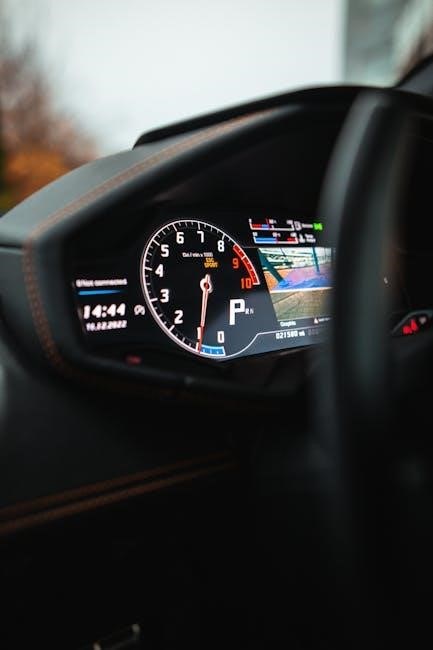
The 2018 Hyundai Elantra’s instrument panel features several warning lights and indicators․ A solid illumination signals a current issue requiring attention, while a flashing light often indicates a more urgent problem․ Common lights include the check engine light (potential engine issue), the ABS light (anti-lock braking system malfunction), and the airbag light (system fault)․
Low fuel, low tire pressure, and seatbelt reminders are also crucial indicators․ Refer to your owner’s manual for a comprehensive explanation of each light’s meaning and recommended action․ Ignoring warning lights can lead to more significant vehicle damage or safety hazards․ Promptly addressing these signals ensures your Elantra remains reliable and safe to operate․